Can Bed Bugs Travel on Clothes You’re Wearing: Unveiling the Truth about These Pests
Contents
- Key Takeaways
- Prevention and Treatment Strategies
- Protecting Your Home and Belongings
- Effective Bed Bug Control Measures
- What to Do After Exposure to Bed Bugs
- Frequently Asked Questions
- What are the risks of transmitting bed bugs through clothing?
- Is it necessary to dispose of clothing after a bed bug infestation?
- Can bed bugs survive on clothing stored in a closet or drawer?
- Sources
Bed bugs are often a source of concern for anyone fearing an infestation. The question “Can bed bugs travel on clothes you’re wearing?” is particularly pressing for travelers and those exposed to environments where bed bugs are present.
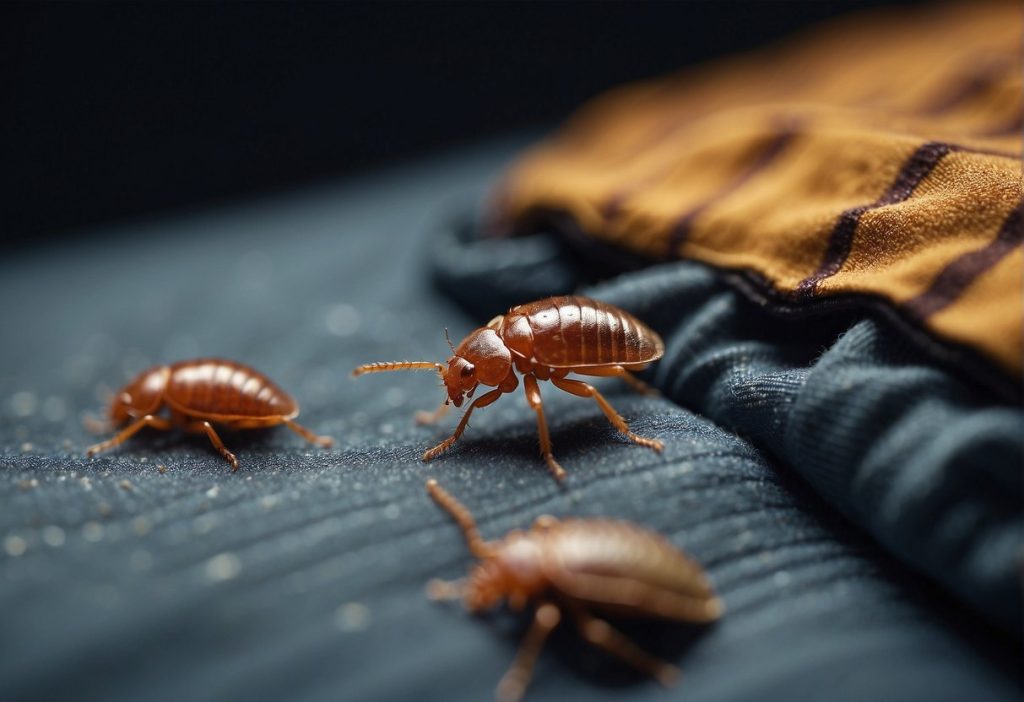
These small, reddish-brown insects can indeed cling to clothing. This unfortunate ability allows them to spread from one place to another when they come into contact with your garments.
The CDC explains that bed bugs spread by hiding in the seams and folds of luggage, folded clothes, bedding and furniture.
Understanding the behavior of bed bugs is essential when considering the risk of transporting them in your attire. They are opportunistic feeders that typically hide during the day and come out at night to feed on a host. This is when they might latch onto clothes left out in infested areas.
However, it is less common for bed bugs to remain on clothing while a person is moving and active. Still, this does not mean these pests can’t accompany you in this way, especially if you remain stationary for long periods, such as sitting in a theater or on public transport.
Key Takeaways
- Bed bugs can travel on clothes, posing a risk of spreading infestation
- Bed bug control measures
- Steps to prevent bed bugs from spreading into your homes
Prevention and Treatment Strategies
In the fight against bed bugs, awareness of prevention and immediate treatment strategies is crucial. Here’s how you can protect your home, and belongings, and take action after potential exposure.
Protecting Your Home and Belongings
To prevent bed bug infestations, cleanliness, and regular inspection are your first line of defense. Maintain a clutter-free environment, as it reduces hiding spots for bed bugs.
- Furniture and Bed Frames: Regularly inspect seams and crevices. Use a vacuum with a hose attachment to remove any signs of bed bugs or eggs.
- Fabric and Clothing: Keep clothes in sealed plastic bags when traveling and wash them immediately in hot water upon returning home.
- Suitcases: After traveling, inspect your suitcase before bringing it inside and treat it with a steamer if necessary.
Effective Bed Bug Control Measures
If bed bugs are detected, acting swiftly with effective control measures is essential.
- Heat Treatment: Expose infested items to high temperatures by placing them in a dryer on the highest setting for at least 30 minutes.
- Pest Control: Consider the use of bed bug traps and consult a professional exterminator for appropriate chemical treatments.
Laundry: Wash and dry your fabrics at high temperatures.
- Treatment Tools:
- Vacuum: Regular use removes visible bed bugs, but vacuuming alone will not end an infestation.
- Steamer: A steamer that reaches at least 130°F, the minimum the EPA lists for steam treatment, can kill bed bugs and eggs it contacts in fabric and furniture.
What to Do After Exposure to Bed Bugs
If you’ve been exposed to a bed bug infestation, take steps to prevent it from spreading to your home.
- Isolate Exposed Items: Place items in a sealed plastic bag until they can be washed, dried, or treated.
- Wash and Dry: Immediately launder all potentially infested garments in hot water and then put them in the dryer on high heat.
- Inspect and Clean: Thoroughly inspect all items that cannot be washed. Use a steamer for additional treatment.
- Professional Help: When in doubt, contact a pest control professional to ensure complete eradication of the infestation.
Frequently Asked Questions
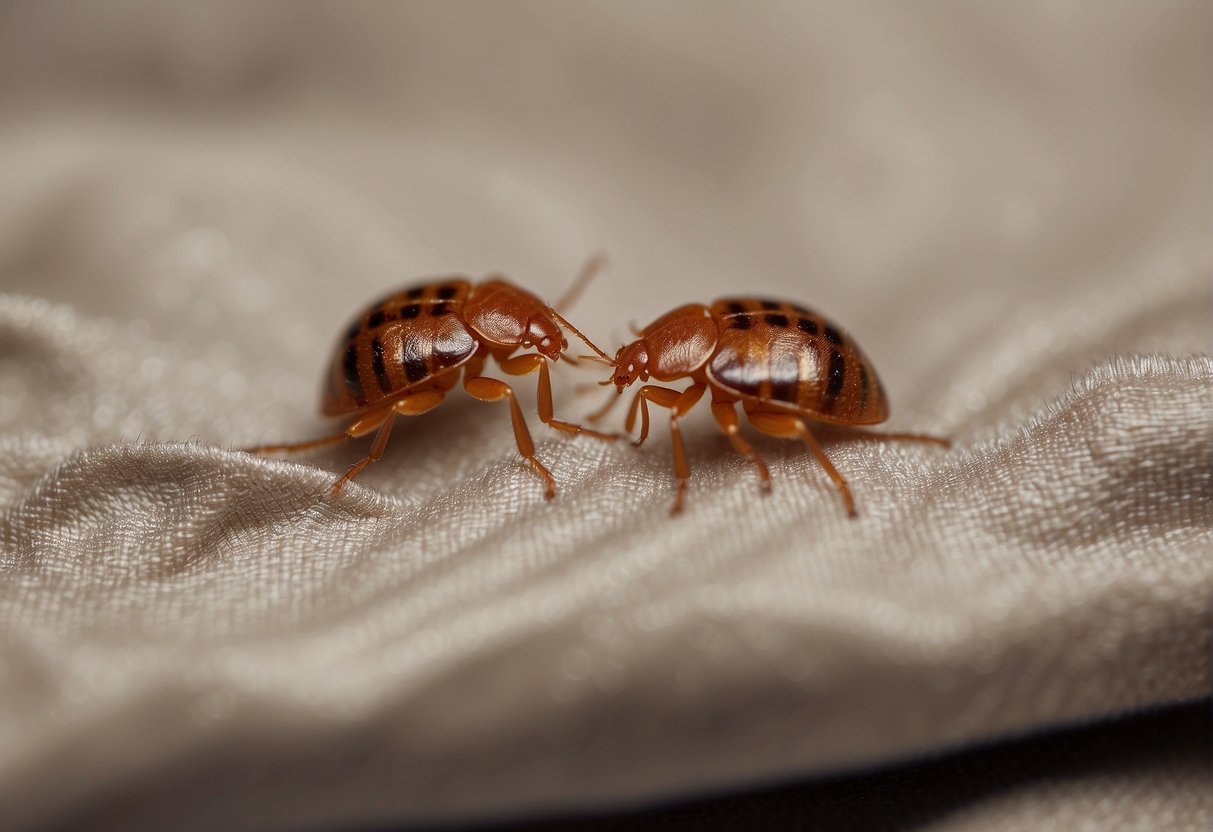
Bed bugs can attach to and travel on the clothes you’re wearing. This section addresses key concerns related to this mode of bed bug transportation.
What are the risks of transmitting bed bugs through clothing?
Bed bugs can latch onto clothing, which makes it possible to spread these pests to new locations. They are known to hitchhike on clothes and personal belongings, potentially infesting homes, hotels, and other public spaces.
Is it necessary to dispose of clothing after a bed bug infestation?
It is not always necessary to dispose of clothing following a bed bug infestation. Washing and drying clothes at high temperatures typically kills bed bugs. For delicate items, professional pest control or dry cleaning may be more appropriate.
Can bed bugs survive on clothing stored in a closet or drawer?
Bed bugs can hide in clothing stored in closets or drawers, and adults can survive for several months without a blood meal. It’s important to treat infested clothing and surrounding areas to fully eradicate these pests.
Sources
- About Bed Bugs, Centers for Disease Control and Prevention
- Do-it-yourself Bed Bug Control, U.S. Environmental Protection Agency
- Integrated Pest Management in the Home Series: Bed Bugs, University of Florida IFAS Extension