Can Bed Bugs Bite Through Clothes?
Contents
- Key Takeaways
- Myths & Facts About Bed Bug Bites
- Keep in Mind
- Patterns and Characteristics of Bed Bug Bites
- Feeding Patterns
- Physical Characteristics of Bites
- Can Bed Bugs Bite Through Clothes?
- Bed Bug Bites on Exposed Skin
- Clothing as a Barrier
- Prevention and Control
- Proactive Measures to Prevent Bites
- Home Remedies
- When to Seek Professional Help
- Recognizing Severe Infestations
- Medical Treatment for Bed Bug Bites
- Frequently Asked Questions
- Do bed bugs bite on exposed skin or under clothing only?
- How can one prevent bed bug bites effectively?
- What to do to avoid bed bug bites while sleeping?
- Sources
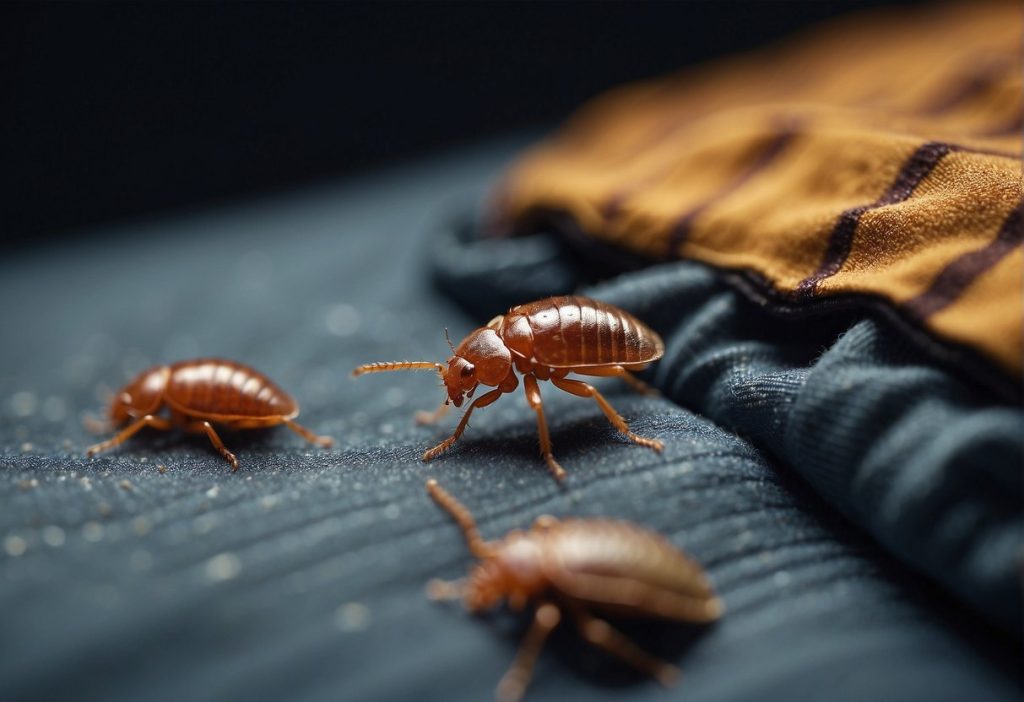
A common question that arises concerning these pests is can bed bugs bite through clothes. While bed bugs are opportunistic feeders, their physical mechanics of biting usually involve finding exposed skin rather than penetrating clothing.
Understanding the habits of bed bugs is crucial for prevention, control, and knowing when to take action if an infestation occurs. Being aware of how to identify and manage bed bug bites can alleviate concerns and help in seeking the appropriate remedies or professional assistance.
Key Takeaways
- Bed bugs feed on blood, usually without passing through clothing.
- They navigate around clothing to find accessible skin to bite.
- Proper identification and control are essential in addressing bed bug issues.
Myths & Facts About Bed Bug Bites
Bed bugs are a common concern, especially when it comes to their feeding habits and whether they can bite through clothing. Let’s dispel myths and establish the facts.
- Myth: Bed bugs can bite through any type of clothing.
- Fact: Bed bugs are not known to bite through fabric. They feed on skin that is exposed while you sleep, and they can crawl under loose clothing to reach it.
- Myth: Infestations are only found in mattresses and beds.
- Fact: Bed bugs can inhabit various areas, including furniture, sheets, and any hidden crevices in a room.
Keep in Mind
Bed bugs require blood to survive and reproduce, but they need access to exposed skin to feed. They are known for hiding in tight spaces such as mattress folds, gaps in furniture, and cracks in walls before emerging to feed at night.
The good news: the CDC notes that bed bugs are not known to spread disease, although their bites can itch and disrupt sleep.
Infestations can occur in any environment, but high-turnover places like hotels are particularly at risk.
Addressing an infestation requires thorough cleaning of all affected areas including furniture and bedding, as well as professional extermination methods.
Patterns and Characteristics of Bed Bug Bites
Understanding how bed bugs feed and what their bites look like is crucial in identifying and managing an infestation. Let’s look at their feeding patterns and the physical characteristics of the bites they leave.
Feeding Patterns
Bed bugs are nocturnal insects that prefer to feed on your blood at night, typically while you sleep. According to University of Florida entomologists, a bed bug feeds for three to 10 minutes until it is engorged with blood. After feeding, they retreat to their hiding places.
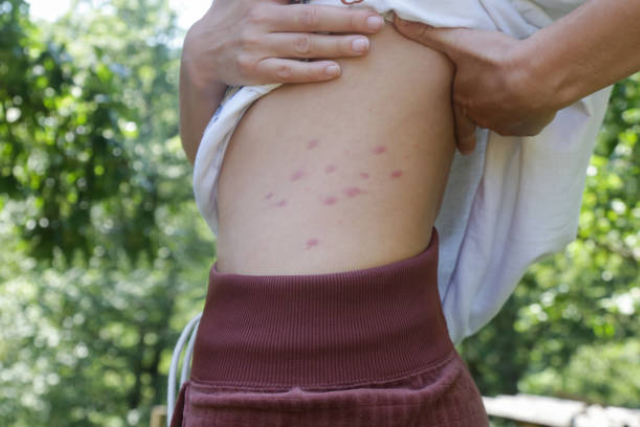
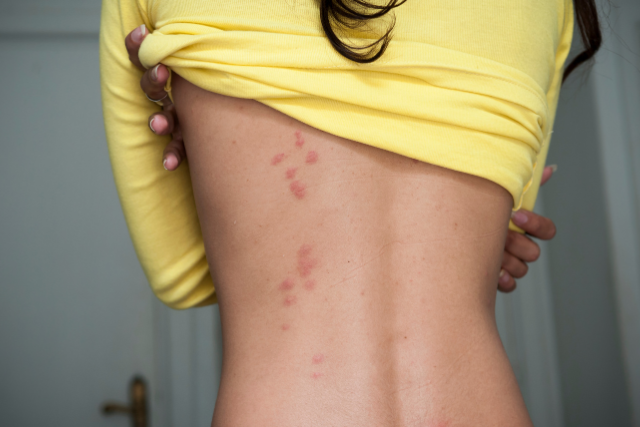
You may not feel the bites, because bed bug saliva contains an anesthetic and an anticoagulant that make the bite hard to notice. The patterns of the bites often appear in clusters or lines, hinting at the trajectory of the bug as it moves across your skin.
- Timing: Preferably night
- Duration: 3-10 minutes
- Method: Stealth feeding with an anesthetic substance
- Appearance: Bites often in clusters or lines
Physical Characteristics of Bites
The aftermath of a bed bug’s feed is typically a set of small, itchy welts on your skin. These welts are usually red and slightly swollen, and the American Academy of Dermatology notes they often form a zigzag line. Common areas where you might notice the bites include exposed skin such as your face, arms, and neck.
- Appearance: Small, itchy welts
- Color: Red
- Common Areas: Face, arms, and neck
- Skin Reaction: Inflammation and itchiness
Each bite might also be accompanied by a tiny blood stain on your sheets, which is a residual mark from the feeding. Not everyone reacts the same way to bed bug bites, and some may not react at all, while others may experience significant discomfort and visible bite marks.
Can Bed Bugs Bite Through Clothes?
Your concerns about bed bugs and your clothing are well-founded. Below, you’ll find detailed information about bed bug bites in relation to skin exposure and the effect of clothing as a barrier.
Bed Bug Bites on Exposed Skin
Bed bugs feed on exposed skin rather than biting through clothing. They typically do this undetected by releasing an anesthetic and an anticoagulant. It’s crucial to check commonly exposed areas like the arms, neck, and face.
Clothing as a Barrier
Clothing is not a foolproof barrier, but it can reduce bites. Bed bugs are not known to bite through fabric; instead, they crawl under loose clothing or reach skin at collars, cuffs and gaps.
To minimize risk, cover as much skin as practical and be cautious of clothes with gaps or tears where bed bugs might crawl in.
Prevention and Control
To effectively protect yourself from bed bug bites and control an infestation, it’s imperative to combine proactive measures with tried-and-true home remedies. Implementing the right strategies can help ensure both prevention and mitigation.
Proactive Measures to Prevent Bites
- Inspect Accommodations: When traveling, carefully inspect the hotel room, particularly the furniture and mattress seams, for signs of bed bugs before unpacking your luggage.
- Use Protective Covers: Invest in bed bug-proof covers for your mattresses and pillows to prevent infestation.
Home Remedies
- High Heat: Wash your bedding and clothing in hot water, then dry them on the highest heat setting for at least 30 minutes. The EPA recommends a clothes dryer on high heat as one of the most practical do-it-yourself steps.
- Seal Cracks: Seal cracks and crevices along baseboards and around bed frames with caulk to reduce the hiding places bed bugs use.
By taking these initiatives, you can protect your living space against bed bugs and reduce the likelihood of being bitten. Furthermore, should you discover an infestation, seek professional pest control services to administer the appropriate treatments for thorough eradication.
When to Seek Professional Help
Determining the right time to call in a professional or seek medical help is crucial if you’re dealing with bed bug bites or suspect a severe infestation in your home.
Recognizing Severe Infestations
Signs You May Have a Severe Infestation:
- You notice large groups of bed bugs in multiple areas of your home.
- Daily sightings of bed bugs on mattresses, furniture, or walls.
- Your bedroom has a distinctive musty or sweet odor, which can be a sign of a heavy infestation.
- Numerous bites appear on your skin, even after taking precautionary measures.
If you experience any of these signs, it’s time to contact a professional pest control service. They can provide a thorough inspection and a comprehensive treatment plan.
Medical Treatment for Bed Bug Bites
Understanding When Medical Attention Is Needed:
- If bites are accompanied by severe itching, redness, or swelling beyond mild discomfort.
- In case of an allergic reaction to bed bug bites, which could show up as intense redness, swelling, or hives. Get emergency care for trouble breathing, a swollen tongue, large blisters, or fever.
- Persistent symptoms that do not improve after using over-the-counter treatments like steroid creams or antihistamines.
If you’ve tried self-care measures and your symptoms persist or worsen, it is appropriate to seek medical attention to ensure proper treatment and avoid complications.
Frequently Asked Questions
Bed bugs can be a nuisance and understanding their behavior is essential to prevent and manage bites. Here are the specifics on how they interact with clothing and skin, along with effective prevention strategies.
Do bed bugs bite on exposed skin or under clothing only?
Bed bugs prefer exposed skin but can also crawl under loose-fitting clothing to feed on your blood. They are not known to bite through fabric.
How can one prevent bed bug bites effectively?
To prevent bed bug bites, maintain a clean sleeping area, use protective covers for mattresses and pillows, and conduct regular inspections of your bed and furniture, especially if you have recently traveled or purchased used items.
What to do to avoid bed bug bites while sleeping?
To avoid bed bug bites while sleeping, encase your mattress and box spring with bed bug-proof covers, keep your bed away from walls and furniture, and remove any clutter from your bedroom that bed bugs could use as hiding spots.
Sources
- About Bed Bugs, Centers for Disease Control and Prevention
- Integrated Pest Management in the Home Series: Bed Bugs, University of Florida IFAS Extension
- Do-it-yourself Bed Bug Control, U.S. Environmental Protection Agency
- Bedbugs: Signs and Symptoms, American Academy of Dermatology