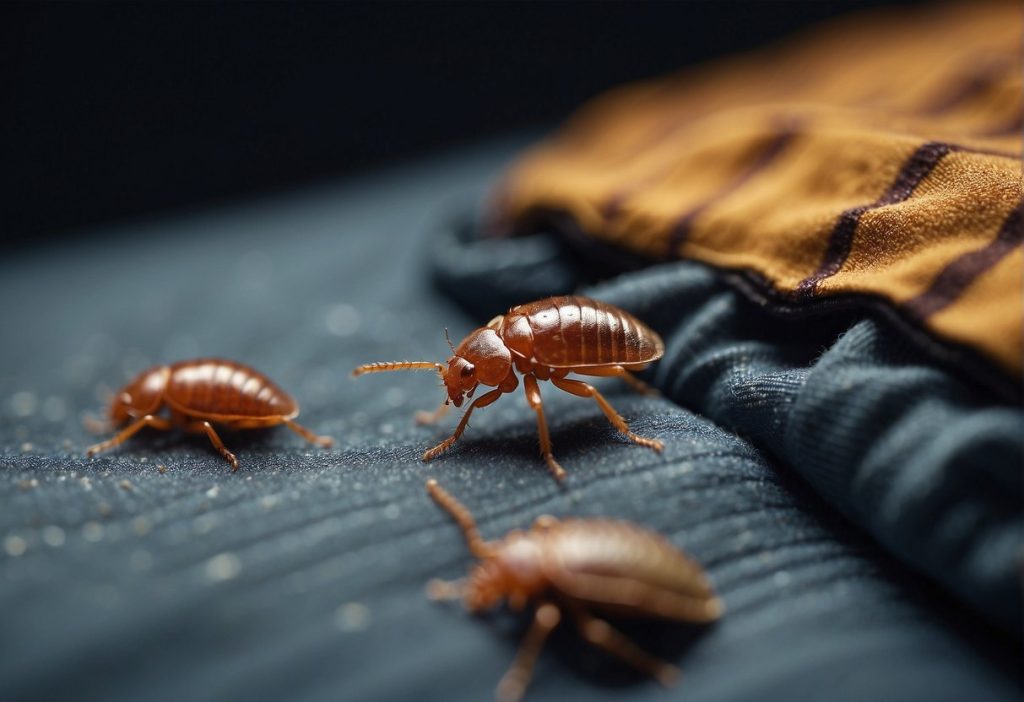
Can Fleas Bite Through Clothes: Uncovering the Truth About Flea Bites and Fabric
Contents
- Key Takeaways
- Flea Bites and Clothing
- The Anatomy of Flea Bites
- Fleas’ Ability to Bite Through Clothes
- Preventive Measures and Flea Control
- Protective Clothing Options
- Environmental Control Measures
- Topical and Oral Flea Medications
- Consequences of Flea Bites on Humans and Pets
- Health Risks Associated with Flea Bites
- Long-Term Impact of Flea Infestations on Domestic Animals
- Frequently Asked Questions
- What are effective home remedies for repelling fleas in humans?
- What can be applied to my skin to prevent flea bites?
- How long can fleas survive on clothing?
- Are fleas capable of thriving in bedding materials?
- Can fleas penetrate all types of fabrics?
- Sources
Many people wonder, can fleas bite through clothes? The answer is that fleas generally cannot penetrate clothing. These tiny pests are equipped with strong legs allowing them to jump onto hosts and reach exposed skin.
However, loose or thin fabrics may not provide complete protection against flea bites. Fleas can crawl into folds of clothing and may reach the skin, especially around the edges of garments like socks, collars, and sleeves.
It’s important to understand the nature of flea bites and the necessary measures to prevent them for both human and pet health.
Key Takeaways
- Fleas cannot typically bite through clothing but may reach skin under loose or thin fabrics.
- Preventing flea infestations requires consistent flea control measures for pets and in the environment.
- Flea bites can cause discomfort and health issues in humans and pets, thus requiring prompt attention.
Flea Bites and Clothing
When considering flea prevention, it’s crucial to understand how flea bites interact with clothing and whether garments offer any protection.
The Anatomy of Flea Bites
Fleas are small, wingless insects that feed on the blood of various hosts. Their mouthparts are uniquely adapted for piercing skin and siphoning blood meals.
A flea bite involves two main actions: the sharp “lancet” cuts the skin and a feeding tube searches for blood vessels. This intricate process is designed to draw blood efficiently and quickly.
Fleas’ Ability to Bite Through Clothes
Fleas may struggle to bite through clothes, especially thick or tightly woven fabric. However, they are adept at crawling through gaps to reach the skin.
Long pants and socks can offer a barrier but are not infallible:
- Fabric types: Thick, tightly woven fabrics leave fewer openings than thin or loosely knit ones. No fabric type has been shown to block fleas completely.
- Fit of clothes: Tight-fitting clothes tend to be more protective against flea bites.
While your clothing can serve as a layer of defense, it is not a foolproof method for preventing flea bites.
Preventive Measures and Flea Control
In addressing flea bites, it’s essential to implement preventive strategies that protect not only yourself but also your home and pets from these pests.
Protective Clothing Options
When venturing into areas prone to fleas, wearing the right clothing is crucial. Opt for:
- Long-sleeved shirts and long pants
- Socks pulled over pant legs
- Light-colored fabrics to easily spot fleas
Treat clothes with permethrin, an insecticide for fabrics only. The CDC recommends 0.5% permethrin products for clothing and gear, never for skin.
Environmental Control Measures
Maintaining a flea-free environment involves regular upkeep:
- Vacuum carpets, furniture, and pet bedding frequently.
- Wash or launder pet bedding and your bedding in hot, soapy water weekly.
- Use flea-proofing sprays or insecticides safely throughout the home, especially in dark corners and near pet resting areas.
Topical and Oral Flea Medications
For pets:
- Administer flea medication as per your vet’s guidance.
- Consider using a flea collar for continuous protection against fleas.
- Bathe and comb pets regularly with a pet-safe shampoo and a flea comb to help remove fleas.
For yourself, use an EPA-registered repellent containing DEET or picaridin on skin, and keep permethrin for clothing and gear only. Always follow the product’s instructions.
Consequences of Flea Bites on Humans and Pets
Flea bites pose health risks to both humans and pets, often resulting in uncomfortable, itchy bumps. Fleas can also spread certain diseases and cause allergic reactions.
Health Risks Associated with Flea Bites
-
Allergic Reactions: You may experience an allergic reaction to flea bites, manifesting as small, itchy, red bumps typically around your ankles and lower legs. Scratching these bites can lead to increased irritation and potential secondary infections.
-
Common Symptoms:
- Itchy skin
- Hives or rash
- Swelling around the bite
-
Treatment:
- Antihistamines
- Anti-itch creams
-
-
Disease Transmission: Fleas can carry bacteria that cause serious diseases. The most notorious is plague, though it is rare in the U.S. today. Tapeworms spread differently: people and pets get them by swallowing an infected flea, not from a bite.
-
Potential Diseases:
- Plague
- Murine typhus
- Tapeworm infection
-
Preventive Measures:
- Regular flea treatments
- Maintaining clean surroundings
-
Long-Term Impact of Flea Infestations on Domestic Animals

-
Health Complications in Pets: Dogs and cats are common hosts for fleas. Long-term exposure to flea infestations can result in chronic itchy skin, hair loss, and anemia, especially in severe cases. Pets may also develop flea allergy dermatitis, leading to intense scratching and skin infections.
-
Impacted Areas on Pets:
- Skin and coat
- Energy levels
- Weight
-
Management:
- Flea combs
- Topical or oral flea treatments
- Regular vet check-ups
-
Frequently Asked Questions
In this section, we will answer some common queries regarding fleas and their interaction with humans and clothing.
What are effective home remedies for repelling fleas in humans?
Homemade sprays such as lemon water or diluted essential oils have little evidence behind them, and some oils, such as tea tree, are toxic to pets. The most reliable approach is to keep your pets on vet-recommended flea control and use an EPA-registered repellent.
What can be applied to my skin to prevent flea bites?
The CDC recommends EPA-registered repellents containing DEET, picaridin, IR3535, oil of lemon eucalyptus, PMD or 2-undecanone. Long socks and pants also help, since flea bites usually land on the lower legs and feet.
How long can fleas survive on clothing?
Adult fleas can hang on to clothing for a short time, but they do not live there. They need a host for regular blood meals, so they usually jump off clothing to find a person or pet.
Are fleas capable of thriving in bedding materials?
Yes, fleas can infest and thrive in bedding materials, especially if pets with flea infestations sleep in the same area. Regular washing of bedding in hot water can help eliminate fleas and their eggs.
Can fleas penetrate all types of fabrics?
Fleas cannot bite through all types of fabric. Thick and tightly woven fabrics are less penetrable than lighter, loosely woven materials.
However, fleas can crawl into openings in clothing, such as cuffs or collars, to reach the skin.
Sources
- Preventing Fleas, Centers for Disease Control and Prevention
- Flea-Borne Diseases in the US, Centers for Disease Control and Prevention
- Dog and Cat Tapeworm Infection, Centers for Disease Control and Prevention