How Rare Is It to Be Immune to Poison Ivy?
Contents
- Key Takeaways
- Understanding Poison Ivy and Urushiol
- Characteristics of Poison Ivy
- The Role of Urushiol in Reactions
- Immune Response to Poison Ivy
- How Immunity Works
- Factors Influencing Immunity
- Prevention and Treatment of Poison Ivy Exposure
- Effective Prevention Strategies
- First Aid and Home Remedies
- When to See a Dermatologist
- Related Plants and Cross-Reactivity
- Understanding Cross-Reactive Plants
- Managing Exposures Beyond Poison Ivy
- Sources
Exposure to poison ivy is commonly met with apprehension due to the plant’s notorious reputation for causing itchy, blistering rashes. However, an intriguing fact about this natural irritant is that not everyone is affected in the same way.
Some individuals appear to be immune to the effects of poison ivy, experiencing no allergic reaction upon contact. This immunity can fluctuate over time and through repeated exposures.
So how rare is it? According to the USDA Forest Service, about 70 to 85 percent of people will develop an allergic reaction to poison ivy, oak, or sumac. That leaves roughly 15 to 30 percent who don’t react, though that can change over time.
Key Takeaways
- Individual immunity to poison ivy varies and can change over time.
- Urushiol is the substance in poison ivy that triggers allergic reactions.
- Repeated exposure usually makes people more sensitive, not less, while sensitivity tends to fade with age.
Understanding Poison Ivy and Urushiol
Poison ivy, which contains the oil urushiol, is a significant cause of allergic skin reactions. Knowledge of its characteristics and the role of urushiol is crucial to avoiding and treating exposure.
Characteristics of Poison Ivy
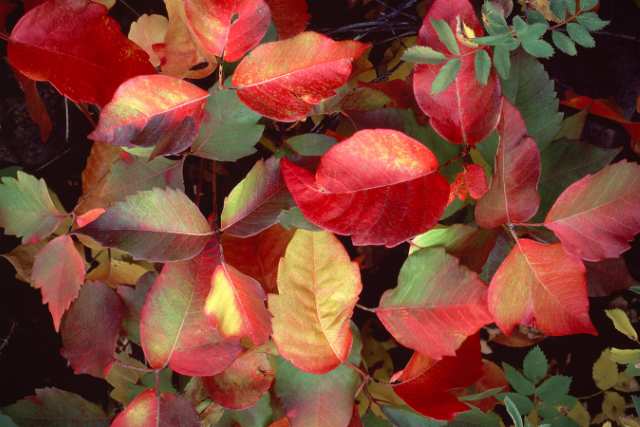
Poison ivy, scientifically known as Toxicodendron radicans, is a plant prevalent throughout North America. It is notorious for its cluster of three almond-shaped leaves, which is summarized by the axiom “leaves of three, let it be.”
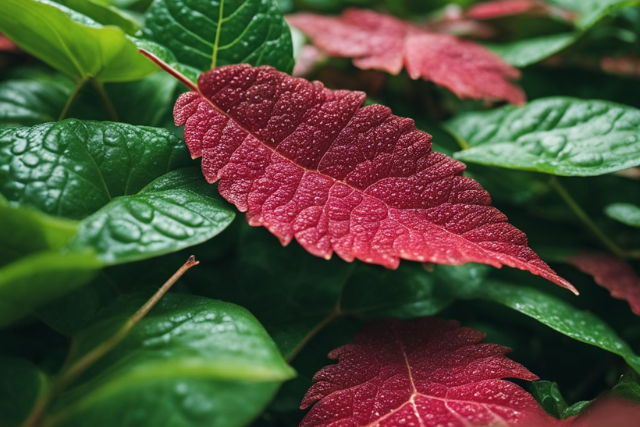
These leaves are typically green, but they can have reddish hues, particularly in the spring or fall. The plant can be identified by its growth patterns, either as a vine or a shrub, and it may produce greenish-yellow flowers and off-white berries. The roots, stems, and leaves all contain urushiol, the oil responsible for allergic reactions.
- Growth forms: Vine or shrub
- Leaf configuration: Set of three leaflets
- Color: Green leaves with possible reddish hues
- Flowers: Greenish-yellow
- Berries: Off-white
The Role of Urushiol in Reactions
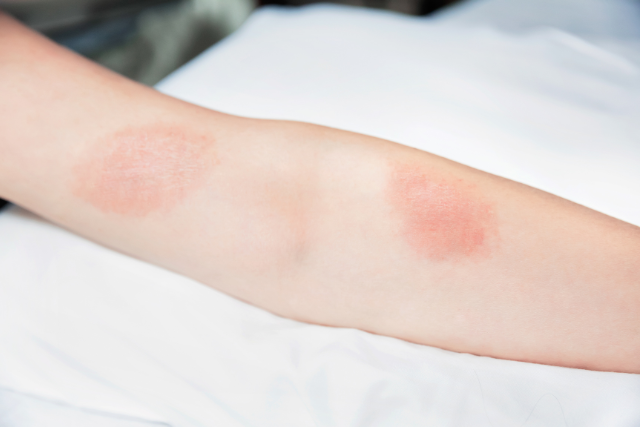
Urushiol is a colorless or slightly yellow oil present in all parts of the poison ivy plant. Upon contact with your skin, it can trigger an immune response that typically leads to an itchy rash known as contact dermatitis.
Every part of the plant can spread this oil, and it remains active, capable of causing a reaction even after the plant dies. Sensitivity to urushiol varies among individuals, and while some may appear immune, most will develop a rash upon sufficient exposure.
- Presence: Throughout the plant (leaves, stems, roots, berries)
- Reaction: Contact dermatitis rash
- Persistence: Active in all seasons, even on dead plants
- Sensitivity variation: Most people are allergic; few are naturally immune
Immune Response to Poison Ivy
The reaction your body may have to poison ivy is largely dependent on the performance of your immune system and its ability to recognize and respond to the urushiol oil as an antigen.
How Immunity Works
When your skin comes into contact with poison ivy, the oil called urushiol, which is the antigen in this scenario, is often treated by your immune system as a foreign substance.
An effective immune response involves various cells, such as T lymphocytes (T-cells) and macrophages, which are types of white blood cells.
These cells work together to identify and remember foreign substances. Specific T-cells remember the urushiol antigen, and on future contact they release cytokines that drive inflammation.
That memory response is what causes the characteristic allergic reaction to poison ivy, which is why a first exposure seldom causes a rash.
Factors Influencing Immunity
Your immunity to poison ivy is not static; it can change over time based on multiple factors:
- Genetics: Some people naturally have a less sensitive immune response to urushiol, and so they experience fewer or no symptoms.
- Previous Exposure: Repeated exposure can lead to increased sensitivity, a condition known as delayed hypersensitivity.
- Age: People generally become less sensitive to urushiol as they get older, although sensitivity can still change at any age.
- Overall Immune Status: Your general health and immune function can influence your reaction to poison ivy. A weakened immune system might not respond as effectively.
Prevention and Treatment of Poison Ivy Exposure
To safeguard against and address poison ivy exposure, equip yourself with proven preventive strategies and effective remedies. Be aware of when it’s necessary to consult a dermatologist for professional intervention.
Effective Prevention Strategies
Protecting Yourself:
- Wear protective clothing such as gloves, long sleeves, long pants, and boots when venturing into areas where poison ivy may grow.
- Protection is crucial even in seemingly clear areas, as invisible oil from the plant can linger.
Barrier Creams:
- Applying barrier creams can provide an extra layer of defense against the urushiol oil in poison ivy, which causes an allergic reaction.
First Aid and Home Remedies
Immediate Steps After Exposure:
- Remove affected clothing carefully to avoid spreading the oil.
- Wash exposed skin with water and soap as soon as possible to help remove the urushiol oil.
- Take a bath to cleanse any potential residue from your skin.
Home Treatment Options:
- Apply calamine lotion or cortisone cream to soothe itching.
- Over-the-counter antihistamine pills can help with itching. If you develop a fever, trouble breathing, or swelling of the face, get medical care right away.
When to See a Dermatologist
Consult a dermatologist if:
- The rash covers a large area of your body or is on your face or genitals.
- Home remedies do not effectively alleviate your symptoms.
- You develop severe contact dermatitis or suspect an infection.
Related Plants and Cross-Reactivity
When considering immunity to poison ivy, it’s vital to understand that other plants can cause similar reactions due to cross-reactivity. Manage your exposures and recognize the risks beyond just poison ivy.
Understanding Cross-Reactive Plants
Plants such as poison oak, poison sumac, and even some foreign species like the Japanese lacquer tree can induce reactions similar to poison ivy in sensitive individuals.
Botanists have established that these plants contain urushiol, the oily compound responsible for the itchy, blistering dermatitis. If you’re immune to poison ivy, cross-reactivity with these plants might still pose a risk:
- Poison Oak: Found primarily on the West Coast, it shares a similar urushiol-induced reaction.
- Poison Sumac: This shrub grows in wet, swampy areas, mostly in the eastern United States, and causes the same type of urushiol rash.
Mango trees, particularly the skin of the mango fruit, contain urushiol-like compounds and can cause dermatitis in some people sensitized to poison ivy. On the other hand, if you don’t react to poison ivy, you may not react to these cross-reactive plants.
Managing Exposures Beyond Poison Ivy
If you go camping or hiking in areas where these plants are present, caution is imperative. This is especially true around burning plants.
The Forest Service warns that burning plants release urushiol particles that can affect exposed skin, the eyes, and the respiratory tract.
When trying to rid an area of these plants:
- Herbicide: A way to kill plants with less handling, but dead plants still carry urushiol, so wear protective gear when you remove them.
- Physical Removal: If you must remove the plants physically, use thick gloves and fully cover your skin to prevent urushiol transfer.
Never burn these plants. The smoke can carry urushiol particles, which, if inhaled, can lead to life-threatening respiratory inflammation.
It’s also critical to wash any clothing or gear that may have come into contact with these plants to prevent secondary exposure.
Sources
- Outsmarting Poison Ivy and Its Relatives, USDA Forest Service
- Poison ivy, oak, and sumac: How to treat the rash, American Academy of Dermatology